The Art of Hospitality Interior Design for Memorable Guest Experiences
- euphoriainteriorsu
- Mar 10, 2025
- 2 min read
A hotel lobby can either feel like a grand invitation or an afterthought. The same goes for a restaurant, a resort, or even a boutique café. The difference? Thoughtful design that doesn’t just look impressive but makes guests feel something.
I once walked into a hotel where everything gleamed—crystal chandeliers, marble floors, gold accents. Beautiful, yes. Memorable? Not really. What truly sticks with people isn’t just luxury; it’s comfort, ambiance, and a seamless experience that feels both effortless and intentional.

Designing First Impressions That Last
Guests decide how they feel about a space within seven seconds of walking in. That means lighting, scent, layout, and even the texture of the furniture matter. A dimly lit lobby can feel cozy or, if done wrong, like a forgotten hallway. The trick is balance—inviting but polished, warm but professional.
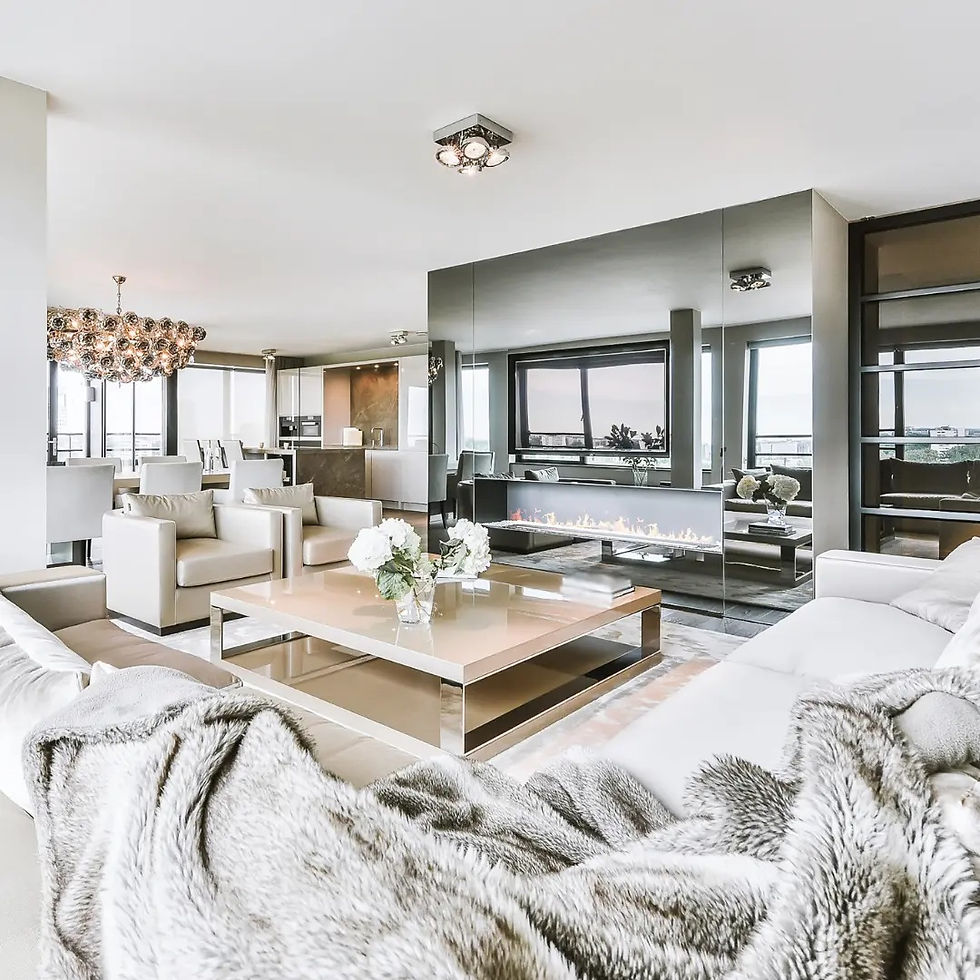
Seating plays a big role too. Ever noticed how the best hotels make you want to linger in their lobbies? That’s no accident. Soft textures, thoughtful spacing, and just the right height of furniture create an unspoken invitation to sit, stay, and soak in the atmosphere.
The Right Blend of Function and Emotion
A great hospitality space walks the line between practicality and mood. It needs to handle foot traffic, daily wear and tear, and still feel welcoming. Colors and materials aren’t just aesthetic choices—they influence mood. Studies show that warm tones encourage conversation, while deep blues and greens evoke a sense of calm.
Top interior design companies understand how to bring these elements together, creating spaces that don’t just serve a purpose but leave a lasting impression. From intimate lighting in fine-dining restaurants to plush fabrics in luxury suites, every decision shapes the guest experience.
The Little Details That Make a Big Impact
Sometimes, the smallest touches make the biggest difference. I once suggested adding a signature scent to a boutique hotel, something subtle but distinctive. Months later, a returning guest told the owner, “The moment I walked in, I felt at home.” That’s the power of sensory design—sound, scent, and texture working together to create familiarity and comfort.
FAQs
What are the key elements of a great hospitality space?
A strong first impression, comfortable seating, well-planned lighting, and materials that balance style with durability.
How can interior design influence guest satisfaction?
Spaces designed with thoughtful details can enhance mood, encourage social interaction, and create a sense of belonging.
Is luxury always necessary for a memorable guest experience?
Not at all. A space that feels personal, inviting, and well-planned often makes a greater impact than opulence alone.


Comments